
YAKIMA FOAM INSULATION SOLUTION
COMFORT, EFFIENCY, PROTECTION
FOAM INSULATION
SOLUTION
High-performance insulation that can seal, protects
and saves. Keep your home comfortable while lowering your energy bills.
FOAM INSULATION SOLUTION IN YAKIMA WA
Foam insulation service our company helps homeowners and property owners improve indoor comfort, reduce unwanted air movement, and create a more efficient building envelope. From attics and crawl spaces to walls, garages, shops, and remodeled areas, quality insulation can make a noticeable difference in how a property feels throughout the year. Our homes deal with hot, dry summers, cold winters, seasonal temperature swings, wind, dust, and heating and cooling demands. When insulation is missing, damaged, thin, or poorly sealed, rooms may feel uneven, energy bills may rise, and HVAC systems may work harder than necessary. Foam insulation can help address these issues by sealing gaps and improving thermal performance when installed correctly.
What We Offer
We provide complete insulation solutions designed to improve indoor comfort, energy effi-ciency, and property protection. Every project is completed with careful planning, premium materials, and attention to detail, ensuring dependable results for homeowners and businesses seeking long-term performance and savings throughout every season.
Our Foam Insulation installation service creates an effective air barrier that helps reduce drafts, improve temperature control, and lower monthly utility costs. By sealing small gaps and hard-to-reach areas, we increase your property's energy efficiency while enhancing indoor com-fort. This advanced insulation solution also helps reduce outside noise and supports a healthier indoor environment.
A properly insulated attic plays a vital role in maintaining comfortable indoor temperatures throughout every season. Our team installs high-quality insulation materials that minimize heat transfer, reduce strain on your heating and cooling system, and improve overall energy effi-ciency. You'll enjoy a more consistent indoor climate, lower energy expenses, and increased protection for your home's structure.
Your crawl space can significantly affect your home's comfort and efficiency when left unpro-tected. Our insulation solutions help control moisture, reduce cold floors, improve indoor air quality, and minimize unwanted air movement. Properly insulating this area also protects your property's structural components while contributing to lower utility bills and a healthier living environment.

Our basement insulation services help improve comfort and energy efficiency by reducing unwanted heat transfer through basement walls, ceilings, and other areas. We assess your basement's existing insulation and recommend practical solutions based on its condition and layout. Whether you're finishing a basement or upgrading an existing space, our team provides insulation designed to create a more comfortable indoor environment throughout your property.
Upgrade Your Insulation With Confidence
If you're ready to improve your property's comfort, efficiency, and long-term value, our experi-enced team is here to help. We take pride in delivering reliable insulation solutions with excep-tional workmanship and personalized customer service. Whether you need a new installation or want to upgrade existing insulation, we'll guide you through every step. Contact us today for a free estimate and experience the difference professional service makes.
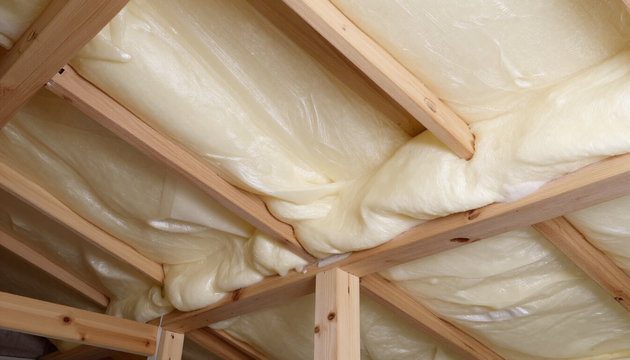
Why Yakima Property Owners Choose Foam Insulation?
Foam insulation is popular because it can insulate and air seal at the same time. Traditional insulation can help slow heat transfer, but it may not always stop air leaks around cracks, gaps, penetrations, rim joists, attic openings, and irregular framing areas. Foam insulation expands into spaces and helps create a tighter seal.
This makes it useful for homes and buildings where comfort problems are tied to drafts, uneven temperatures, attic heat, crawl space air movement, or hard-to-insulate areas. In our city, insulation should support both summer cooling and winter heating needs, which makes air sealing especially important.
A properly insulated property can feel more consistent from room to room. It can also help reduce dust movement, improve HVAC performance, and support better long-term comfort when paired with proper ventilation and moisture planning.
Here is how common insulation options compare:
| Insulation Type | Best For | Main Benefit | Planning Concern |
|---|---|---|---|
| Open-Cell Spray Foam | Interior walls, sound control, some conditioned spaces | Expands well and helps air seal | Vapor control and placement |
| Closed-Cell Spray Foam | Crawl spaces, rim joists, metal buildings, stronger air sealing | Higher density and moisture resistance | Cost and thickness planning |
| Fiberglass Batt Insulation | Standard wall cavities and accessible areas | Budget-friendly option | Gaps reduce performance |
| Blown-In Insulation | Attics and existing cavities | Good coverage in open spaces | Air sealing may still be needed |
| Rigid Foam Board | Exterior walls, foundations, garages, specialty areas | Continuous insulation layer | Seams must be sealed |
| Hybrid Insulation System | Mixed building needs | Combines materials strategically | Requires good planning |
The best option depends on the building area, budget, moisture conditions, ventilation, and energy goals.
Understanding Foam Insulation Costs In Yakima
Foam insulation costs in our city can vary based on the area being insulated, foam type, depth, access, surface condition, preparation needs, ventilation requirements, and whether old insulation must be removed. A small rim joist or garage project will usually cost less than a full attic, crawl space, shop, or whole-home insulation upgrade. Open-cell and closed-cell spray foam also have different pricing because they use different materials and perform differently. Closed-cell foam is usually denser and often costs more, while open-cell foam may be used in larger interior cavities when the project conditions make sense.
Here is a simple cost-level guide:
| Project Type | Common Scope | Cost Level |
|---|---|---|
| Rim Joist Sealing | Basement or crawl space perimeter gaps | Lower |
| Small Wall Or Garage Area | Limited spray foam application | Low To Medium |
| Attic Air Sealing | Gaps, penetrations, and attic improvement areas | Medium |
| Crawl Space Foam Insulation | Floor, wall, or perimeter insulation needs | Medium To High |
| Metal Building Or Shop | Larger open surfaces and temperature control | Medium To High |
| Full Insulation Upgrade | Multiple areas, removal, air sealing, new insulation | Higher |
What Can Increase The Price?
• Old insulation removal
• Tight attic or crawl space access
• Large square footage
• Closed-cell foam requirements
• Moisture or ventilation concerns
• Prep work around wiring, plumbing, or framing
• Specialty areas such as shops, garages, or metal buildings
• Code or permit requirements for larger remodels
• Additional air sealing before insulation is installed
What Can Help Keep Costs Manageable
The best way to manage cost is to focus on the areas that create the biggest comfort problems first. Attics, crawl spaces, rim joists, garages, and major air leak areas can often have a strong impact on how a home feels.It also helps to schedule an inspection before choosing the foam type. Not every area needs the same material. A thoughtful contractor can explain where spray foam makes sense, where another insulation type may be more practical, and how to build a system that matches your property.
How Climate Affects Insulation Needs
Our climate creates a different set of insulation needs than wetter west-side Washington communities. Summers can be hot and dry, which means attic heat and sun exposure can place stress on cooling systems. Winters can be cold and snowy, which means heat loss, drafts, and poorly insulated spaces become more noticeable. Temperature swings can also reveal weak spots in the building envelope. Rooms above garages may feel uncomfortable. Exterior walls may feel cold in winter. Attics can overheat in summer. Crawl spaces may let cold air move into floors. Foam insulation can help reduce these comfort issues when installed in the right locations. Dust and air movement also matter. If gaps and cracks allow outdoor air to enter the home, dust can move through wall cavities, attic openings, crawl spaces, and mechanical penetrations. Air sealing with foam can help reduce uncontrolled airflow and support a cleaner, more consistent indoor environment. The goal is not just to add insulation. The goal is to improve the way the home handles heat, cold, air movement, and seasonal conditions
Services We Provide:
Open-Cell Vs. Closed-Cell Spray Foam
Choosing between open-cell and closed-cell spray foam depends on the area, performance goals, moisture conditions, and budget. Both materials can be useful, but they are not the same.
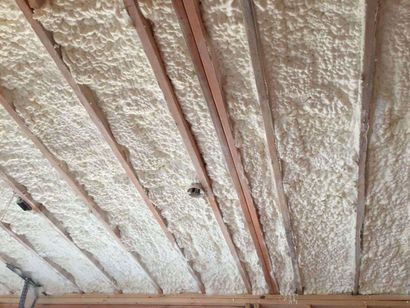
Open-cell foam is an excellent choice for interior walls, selected attic spaces, and sound-control applications. Its expanding nature allows it to fill small gaps and irregular cavities, creating a dependable air seal while helping reduce noise transfer throughout the home at a practical cost.
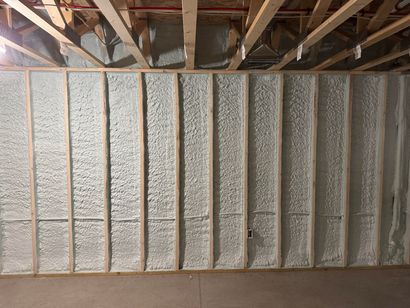
Closed-cell foam is commonly used in crawl spaces, rim joists, metal buildings, and exterior-facing areas. Its dense structure provides outstanding moisture resistance, added strength, and reliable insulation performance, making it a durable solution for challenging environments and changing weather conditions.
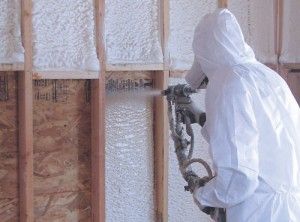
Hybrid foam system combines different insulation materials to achieve an effective balance between performance and budget. By applying spray foam only where it delivers the greatest benefit, homeowners can improve energy efficiency while keeping overall installation costs more manageable.
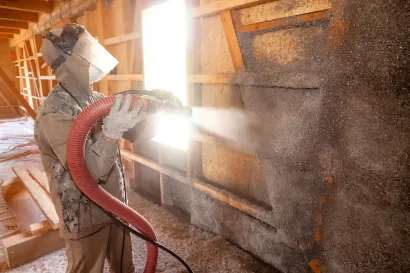
Foam plus blown-in insulation is a smart option for attics needing both air sealing and increased insulation depth. This combination helps minimize air leaks, improve indoor comfort, enhance energy efficiency, and provide consistent temperatures throughout the home when installed in the proper sequence.
Things To Know Before Scheduling Foam Insulation
Before hiring an insulation contractor, it helps to understand the details that affect safety, comfort, and long-term performance.
• Air sealing matters. Insulation works better when gaps and leaks are addressed.
• Foam type should match the area. Open-cell and closed-cell foam perform differently.
• Ventilation must be considered. A tighter home may need proper airflow planning.
• Moisture should be reviewed first. Foam should not hide unresolved leaks or damp areas.
• Old insulation may need removal. Damaged, dirty, or compressed insulation can affect results.
• Thickness matters. Foam must be applied at the right depth for the project goals.
• Installation safety is important. Spray foam should be applied with proper equipment and curing practices.
• Code requirements may apply. Larger remodels or construction work may involve energy code documentation or permits.
A quality foam insulation project should begin with an inspection, not a one-size-fits-all recommendation.
Choosing The Right Foam Insulation Contractor
The contractor you choose will affect the comfort, safety, and performance of the insulation system. Foam insulation must be installed carefully because poor application can lead to gaps, uneven coverage, odor issues, moisture problems, or code concerns.
Look For Building Envelope Knowledge
Foam insulation is not only about spraying material into a space. The contractor should understand air sealing, ventilation, moisture control, thermal performance, and how different parts of the home connect.
Ask About Foam Type
Ask whether open-cell or closed-cell foam is recommended and why. A good contractor should explain the advantages, limitations, and best locations for each option.
Review Preparation Steps
Before installation, the area may need cleaning, old insulation removal, moisture checks, surface preparation, or protection for nearby materials. Prep work helps the foam adhere and perform properly.
Discuss Ventilation And Safety
Spray foam installation requires proper safety steps. Ask how the area will be ventilated, how long curing may take, and when it is safe to return to the space.
Confirm What Is Included
A clear estimate should explain the insulation area, foam type, approximate thickness, preparation, cleanup, safety steps, and any related recommendations.
Understand Code And Permit Needs
Some insulation work may be part of a larger remodel, addition, or energy code requirement. If your project involves permitted construction, the insulation plan should support the required documentation.
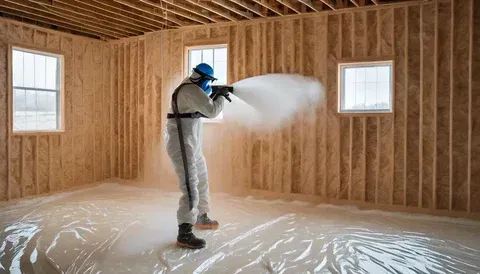
Our Foam Insulation Process
Our process is built to help property owners understand what their building needs before insulation begins. We focus on comfort, efficiency, safety, and clear communication from start to finish.
Step 1: Property Review
We begin by reviewing the areas where insulation may be needed. This may include attics, crawl spaces, walls, garages, shops, rim joists, and hard-to-reach gaps.
Step 2: Comfort And Energy Concerns
We ask about uneven rooms, drafts, high energy bills, attic heat, cold floors, or spaces that are difficult to condition. These details help identify problem areas.
Step 3: Insulation Recommendation
After reviewing the project, we explain which foam insulation option may fit best. We may recommend open-cell foam, closed-cell foam, air sealing, or a combination of materials.
Step 4: Preparation
Before foam is applied, the work area is prepared. This may include clearing access, protecting surfaces, removing problem materials, and checking for moisture or ventilation concerns.
Step 5: Foam Application
The foam is applied to the planned areas with attention to coverage, depth, and consistency. Proper application helps create a stronger air seal and better insulation performance.
Step 6: Final Review
After installation, we review the work area, explain any curing or access guidance, and discuss the next steps for finishing, covering, or using the space.
Ready To Improve Comfort With Foam Insulation?
If your home or building feels drafty, uneven, too hot in summer, too cold in winter, or difficult to heat and cool, our foam insulation service can help. We provide practical insulation solutions for attics, crawl spaces, walls, garages, shops, and air sealing needs. Contact us to schedule an estimate. We will review your property, explain your options, and help you choose an insulation solution that supports better comfort, improved efficiency, and stronger year-round performance.
Frequently Asked Questions
Q: What is foam insulation used for?
Foam insulation is used to reduce heat transfer and help seal air leaks in homes, garages, shops, crawl spaces, attics, and wall cavities. It can be helpful in areas where traditional insulation leaves gaps or does not stop drafts. Spray foam expands into cracks and cavities, which can make it useful for air sealing and comfort improvement. The right use depends on the area, moisture conditions, ventilation, and building design.
Q: Is spray foam insulation good for our homes?
Spray foam insulation can be a good option for Yakima homes when it is installed in the right areas with proper planning. Our hot summers and cold winters can make attic heat, cold floors, drafts, and uneven rooms more noticeable. Foam insulation may help reduce air movement and improve comfort. A contractor should inspect the home before recommending foam because not every space needs the same insulation type.
Q: What is the difference between open-cell and closed-cell foam?
Open-cell foam is lighter and expands more, while closed-cell foam is denser and can provide stronger air sealing and moisture resistance in certain areas. Open-cell foam may be used in interior applications where expansion and sound reduction are helpful. Closed-cell foam is often used in crawl spaces, rim joists, metal buildings, and areas needing higher density. The best option depends on the project location and performance goals.
Q: Can foam insulation lower energy bills?
Foam insulation may help improve energy efficiency by reducing air leaks and supporting better temperature control.
Actual savings vary based on the home, existing insulation, HVAC system, air leakage, climate, and how the foam is installed. Foam insulation works best as part of a complete air sealing and insulation plan. A contractor can help identify which areas may provide the most useful improvement.
Q: Does old insulation need to be removed first?
Old insulation may need to be removed if it is damaged, wet, dirty, compressed, moldy, or blocking proper foam application. In some projects, foam can be added in targeted areas without removing all existing insulation. In other cases, removal helps create a cleaner and more effective installation. The decision should be based on the condition of the existing material and the project goals.
Q: Is spray foam safe after installation?
Spray foam should be installed with proper safety procedures, ventilation, and curing time. During application, the area may need to be restricted while the material is installed and cures. The contractor should explain when it is safe to reenter and whether any special steps are needed. Professional installation is important because spray foam requires correct mixing, application, and safety handling.
Q: Do I need a permit for foam insulation?
Permit needs depend on whether the insulation is part of a larger remodel, addition, construction project, or energy code requirement. Simple insulation upgrades may be different from permitted structural, mechanical, or full renovation work. Washington energy code requirements may also apply to certain projects. Before beginning larger work, it is best to confirm requirements with the City of Yakima or ask a contractor familiar with local permit processes.
The Bottom Line On Foam Insulation Service In Yakima, WA
Foam insulation service can help improve comfort, reduce drafts, support energy efficiency, and make homes or buildings perform better through hot summers and cold winters. The best results come from choosing the right foam type, sealing the right areas, and planning for ventilation, moisture, and code requirements.
Before hiring a contractor, ask about open-cell versus closed-cell foam, preparation, safety steps, curing time, ventilation, old insulation removal, and what is included in the estimate. Clear answers help you understand the project before work begins. If your property has drafty rooms, hot attic spaces, cold floors, or insulation that no longer performs well, start with a professional estimate. The right foam insulation plan can help create a more comfortable and efficient space for everyday living.